
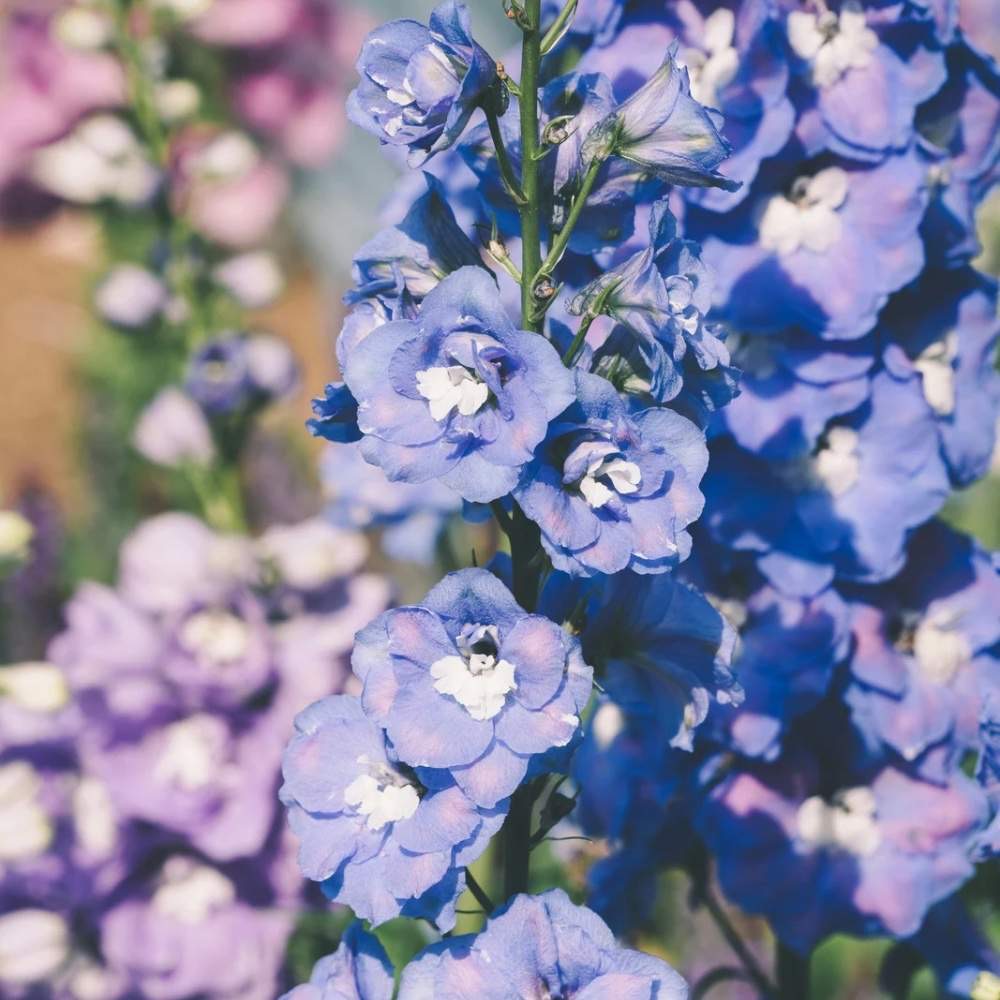
There aren’t many flowers that have such tall and beautiful flowers as delphiniums. They can grow in lots of light and well draining soil but as they’re so delicate you need to be careful what you plant with then.
Some plants can help though by keeping away pests and making your garden work. But others can fight and take the resources, bring in pests and even spread diseases that will hurt your delphiniums.
So to help you avoid these problems these are the plants that you shouldn’t plant with delphiniums and why they will cause issues.
Why Plant Compatibility Matters
Choosing which plants to playing together will be a big part of whether you’re gardenia successful or not. There are plants that help each other out and keep pests away along with creating shade that they need.
But others plants do the opposite. They will cause growth to be slow, make other plants more likely to get diseases and just fight over resources. So knowing which plants to keep away from your delphiniums will mean your garden works well and the flowers all grow.
So let’s go through the plants that don’t make work with delphiniums.
1. Mint
Why Mint is a Problem:
- Invasive Growth: Mint is one of the most aggressively growing plants out there. If you plant it near to delphiniums it will take the space they need as well as stealing nutrients and water.
- Allelopathic Effects: Some varieties of mint release chemicals into the soil that stop other plants from growing properly which can mean poor or dead delphiniums.
- Moisture Competition: Mint likes wet soil which goes against delphiniums and what they like which is well draining soil.
Mint is best grown in containers or separate garden beds where it can’t spread .
2. Sunflowers
Why Sunflowers are a Problem:
- Allelopathic Properties: Sunflowers release chemicals into the soil that stop close plants from growing and delphiniums will be affected by this.
- Excessive Shade: Since sunflowers grow very tall they will cast shadows over delphiniums and stop them from getting the sun they need.
- Nutrient Drain: Sunflowers take a lot of nutrients from the soil and delphiniums will struggle to get what they need.
While sunflowers may look beautiful, if you want to grow them with delphiniums keep them a big distance away from each other.
3. Hollyhocks

Why Hollyhocks are a Problem:
- Shared Disease Risks: Both hollyhocks and delphiniums will get rust and fungal diseases. Planting them together make it more likely those diseases will spread.
- Space Competition:Hollyhocks grow tall and fight for space and air with delphiniums.
- Pest Attraction:Hollyhocks attract aphids and spider mites which will then spread to delphiniums.
If you love both plants and really want to grow them both in your garden try to keep them at a distance so they don’t spread diseases to one another.
4. Tall Grasses
Why Tall Grasses are a Problem:
- Water and Nutrient Competition:Lots of ornamental grasses roots grow deeply in the soil and fights hard for resources which will make delphiniums struggle.
- Encroachment: Grasses that grow quickly can crowd delphiniums giving them little space to grow.
- Airflow Restriction: Delphiniums need good amounts of air flowing around them to stop fungal diseases but grasses can hold on to moisture and make mold and mildew more likely.
5. Joe Pye Weed

Why Joe Pye Weed is a Problem:
- Size and Spread: Joe Pye Weed can grow over six feet tall and then block the sun from getting to delphiniums.
- Different Moisture Needs: Joe Pye Weed needs wet soil but delphiniums like soil that drains well and this makes them unable to work together.
- Self-Seeding: Joe Pye Weed grows fast and spreads a lot. Given the chance it will take over a garden if you don’t control it.
6. Filipendula (Meadowsweet)

Why Filipendula is a Problem:
- Excess Moisture: Filipendula likes damp soil but this will cause root rot in delphiniums.
- Overcrowding: It spreads quickly and can take up too much space meaning the delphiniums have no room to grow.
- Pest Concerns: Meadowsweet can attract pests like aphids which will also go after delphiniums.
If you love both plants then try to plant Filipendula in a separate part of the garden that gets more water or rain.
7. Goat’s Beard (Aruncus)
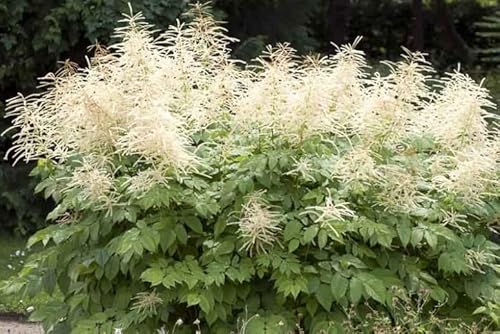
Why Goat’s Beard is a Problem:
- Shade Competition: Goat’s Beard grows so much that it will block light from getting to delphiniums.
- Moisture Preferences: It likes moist soil which can be a problem for delphiniums that need drier soil.
- Potential for Overcrowding: Goat’s Beard grows out wide and takes up a lot of space.
It’s best to keep Goat’s Beard in areas of shade and away from delphiniums.
8. Phlox

Why Phlox is a Problem:
- Disease Susceptibility: Phlox is gets powdery mildew which can then spread to delphiniums.
- Encroachment: When phlox spreads it can take over garden beds and stop smaller plants from growing.
- Moisture Retention: Phlox holds on to moisture and this can lead to fungal infections in delphiniums.
9. Certain Grasses
Why Some Grasses are a Problem:
- Aggressive Growth: Some ornamental grasses, like Miscanthus, can take over the area they are grown.
- Nutrient Stealing: Their roots can take a lot of nutrients from the soil.
- Crowding Issues: When they grow fast they can physically push out delphiniums.
If you want to try growing grasses with delphiniums then look for non invasive ones that are smaller in size.
10. Borage
Why Borage is a Problem:
- Self-Seeding: Borage spreads very quickly and so pushes out plants like delphiniums.
- Overshadowing: The leaves make a lot of shade.
- Nutrient Competition: Fights over nitrogen and other nutrients.
11. Morning Glories

Why Morning Glories are a Problem:
- Invasive Growth: Morning glories grow fast and can stop any close by plants from growing fully.
- Nutrient Drain: They take up a lot of nutrients stopping delphiniums getting what they need.
- Trellis Competition: If both are planted near something like trellis then the morning glories will quickly take it over.
12. Peonies
Why Peonies are a Problem:
- Weak Stems: Peonies often need staking which can upset any plants close by.
- Pest Issues: Peonies attract ants which can become a real problem in the garden.
- Dense Growth: Their leaves can make too much shade for delphiniums.
Good Companions for Delphiniums
While some plants don’t work well with delphiniums there are others that are great with them:
- Roses – Share the same light and nutrient needs.
- Foxgloves – Look good next to delphiniums because of being the same sort of height.
- Alliums – Help keep away pests that could her delphiniums.
Final Thoughts
Getting the right plants to go with your delphiniums can make all the difference in how well they growth and their health. Just make sure you avoid plants that are likely to get diseases or steal the nutrients and your delphiniums will be successful.
