
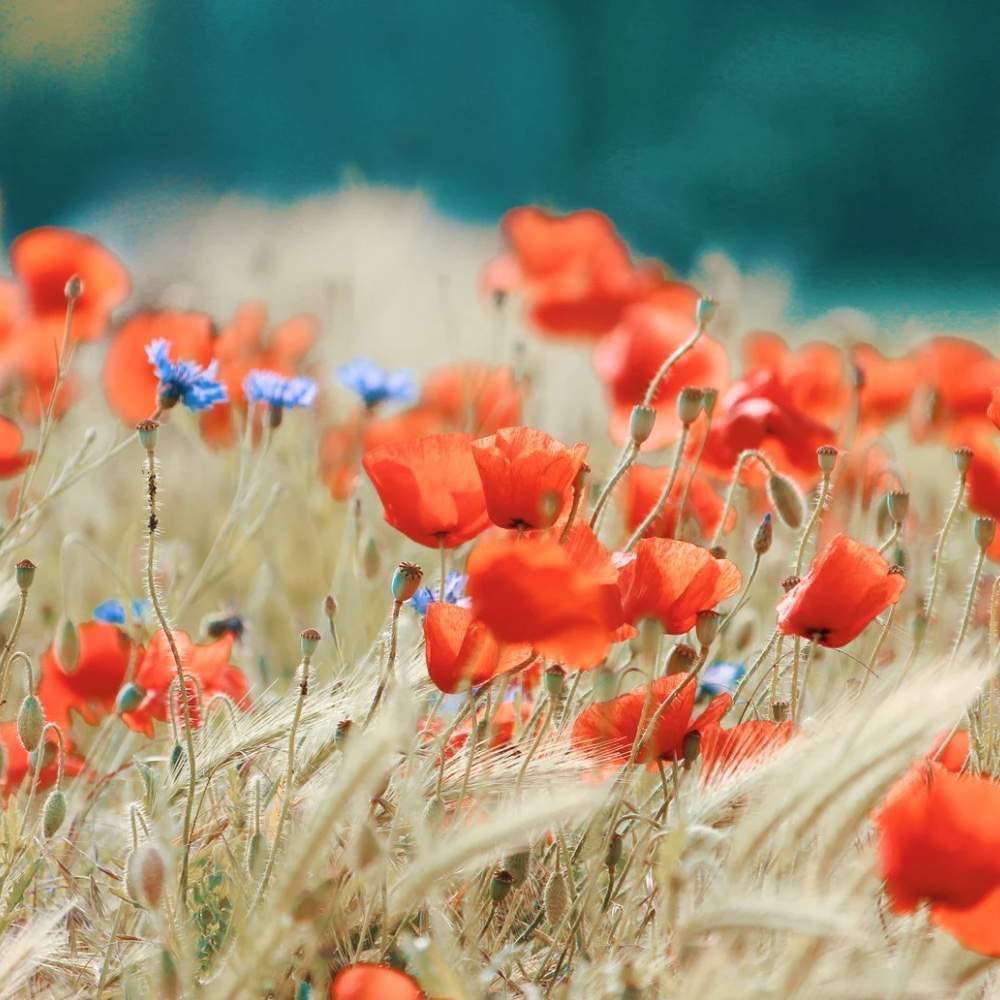
Alstroemeria’s (or Peruvian Lily if you prefer) colorful blooms can transform gardens with their lily-like flowers. They alap have and impressive vase life of up to two weeks. But plant them with the wrong neighbors and you’ll have garden drama on your hands.
So if you’re planning on planting alstroemeria then there are certain plants to avoid. I’ll take you through the worst suspects and explain why they won’t work together.
Understanding Alstroemeria
Alstroemeria aren’t just pretty faces – they’re have their own specific needs. They thrive in well-drained soil with consistent moisture & prefer areas with morning sun and afternoon shade in warmer climates. Native to South America, they have adapted to specific growing conditions that not all garden plants can accommodate.
Alstroemeria can be very particular about their garden companions. Plant them with the wrong neighbors and you might face nutrient competition, root crowding, incompatible watering needs or even plants that attract pests that can harm your precious Peruvian lilies.
Getting it wrong doesn’t just mean slightly reduced flowering – it can mean the difference between a thriving, years-long display of gorgeous blooms versus sickly, struggling plants that eventually give up the ghost. So let’s talk about what NOT to plant alongside these beauties.
12 Plants to Keep Away From Your Alstroemeria
1. Mint and Other Aggressive Herbs
Nothing ruins an Alstroemeria bed faster than mint on a mission. Mint’s aggressive runners will quickly take over, stealing nutrients and water from your more delicate Alstroemeria.
Why they clash:
- Mint’s invasive root system will outcompete Alstroemeria
- Different water requirements (mint can handle more moisture)
- Mint attracts different pollinators that might ignore your lilies
- The strong scent can actually repel some beneficial insects
The same goes for other aggressive herbs like oregano and marjoram. They might seem like innocent additions but they’ll quickly become the neighborhood bullies in your garden bed.
2. Bamboo and Running Grasses
Bamboo and other running grasses send out rhizomes that can travel many feet underground before surfacing, making them stealthy competitors that are nearly impossible to fully remove once established.
Why they clash:
- Aggressive root systems that steal water and nutrients
- Can physically displace Alstroemeria rhizomes
- Create too much shade as they grow taller
- Almost impossible to remove completely once established
3. Eucalyptus Trees
The elegant eucalyptus might seem like a nice backdrop for your flower bed but these Australian natives are notorious for their allelopathic properties – they release chemicals from their roots and fallen leaves that inhibit the growth of other plants.
Why they clash:
- Release growth-inhibiting chemicals into the soil
- Create dense shade that Alstroemeria won’t thrive in
- Compete aggressively for water and nutrients
- Fallen leaves can alter soil pH when they decompose
4. Walnut Trees
Similar to eucalyptus, walnut trees produce juglone, a natural chemical that’s toxic to many plants. Alstroemeria planted within the root zone of walnut trees (which extends well beyond the canopy) will struggle to establish and may show signs of yellowing, wilting and failure to thrive.
Why they clash:
- Juglone toxicity affects perennials like Alstroemeria
- Heavy shade conditions under walnut canopies
- Walnut roots are aggressive water competitors
- Dropped nuts and debris can damage delicate flowers
5. Aggressive Groundcovers (Ivy, Vinca, Pachysandra)
That cute little ivy plant might seem innocent, but give it a season or two and it’ll be climbing all over your precious Alstroemeria (and everything else!). Groundcovers are designed to spread and cover soil – exactly what you don’t want competing with your Peruvian lilies.
Why they clash:
- Will quickly overrun and smother Alstroemeria
- Create a dense mat that prevents proper air circulation
- Can harbor snails and slugs that love to feast on Alstroemeria
- Make it difficult to divide Alstroemeria when needed
6. Shallow-Rooted Annuals

This one is a bit of a shock. Last summer I planted some marigolds around my Alstroemeria thinking they’d make a nice border. While they looked pretty the marigolds’ shallow roots competed directly with the Alstroemeria’s surface roots, causing noticeable stress during dry periods.
Why they clash:
- Compete for water and nutrients in the same soil zone
- Annual replanting disturbs Alstroemeria’s delicate root system
- Some annuals (like marigolds) can be heavy feeders
- Certain annual flowers attract pests that can spread to Alstroemeria
7. Plants With Opposite Moisture Needs

Moisture-loving plants like astilbe, ligularia or Japanese iris need consistently damp soil, while Alstroemeria prefers well-drained conditions. Plant them together and one will always suffer – either your Alstroemeria will get root rot from too much water, or your moisture-lovers will crisp up when you provide the drier conditions Alstroemeria prefers.
Why they clash:
- Incompatible watering schedules
- Different soil drainage requirements
- One plant will always be stressed
- Creates perfect conditions for fungal diseases

8. Large Hostas
While Alstroemeria appreciate some afternoon shade, planting them near large hostas is asking for trouble. Those impressive hosta leaves will completely overshadow your Alstroemeria, leaving them stretching for light and producing fewer flowers.
Why they clash:
- Large hostas create too much shade
- Both compete for the same soil space
- Hostas can harbor slugs that will feast on Alstroemeria
- Different fertilizer needs (hostas are heavy feeders)
9. Plants Prone to Powdery Mildew
Zinnias, bee balm and phlox are beautiful but notorious for developing powdery mildew in humid conditions. Since Alstroemeria can also struggle with fungal issues, planting them together creates a perfect storm for disease problems.
Why they clash:
- Fungal spores easily spread between plants
- Both require similar preventative treatments
- Creates more humid microenvironment
- Infected neighbors reduce Alstroemeria’s ornamental value
10. Ornamental Alliums
While they look stunning, ornamental alliums can actually stunt the growth of nearby plants. The sulfur compounds they release might help repel some pests, but they can also inhibit Alstroemeria’s growth patterns.
Why they clash:
- Chemical compounds can inhibit growth
- Compete for the same early-season nutrients
- Allium’s dying foliage is unattractive next to blooming Alstroemeria
- Seasonal growth cycles don’t complement each other
11. Thirsty Trees and Shrubs
I once planted Alstroemeria near a birch tree thinking the shade would be perfect. Within a season my lilies were struggling despite regular watering. The culprit? The birch’s thirsty roots were stealing every drop of moisture before my Alstroemeria could get its fair share.
Why they clash:
- Tree roots outcompete flower roots for water
- Constant moisture competition stresses Alstroemeria
- Fallen leaves can smother smaller plants
- Tree roots can physically disrupt rhizomes
12. Plants That Attract Harmful Pests

Some plants act like pest magnets. For example, hibiscus often attracts aphids that can quickly spread to nearby Alstroemeria. Your hibiscus might tolerate the infestation but your more delicate Peruvian lilies will suffer.
Why they clash:
- Pests easily jump from one host to another
- Requires more pesticide use (which can harm beneficial insects)
- Creates ongoing maintenance problems
- Can spread viral diseases between plants
Good Companion Plants for Alstroemeria
There are some companions that actually help Alstroemeria thrive though.
- Roses: They have similar water and sun requirements
- Dahlias: They bloom at complementary times
- Low-growing sedums: They provide ground cover without competition
- Lavender: Repels some pests that damage Alstroemeria
- Salvia: Attracts beneficial pollinators
These companions either fill different soil niches, attract helpful insects, or simply look gorgeous while respecting Alstroemeria’s space requirements.
Tips for Successful Companion Planting
1. Always check root depths – Pair Alstroemeria with plants that root at different depths to minimize competition.
2. Match water needs – Group plants with similar moisture requirements to avoid over or under-watering any one plant.
3. Consider growth patterns – Plants that spread aggressively will always win against more mannerly growers like Alstroemeria.
4. Create breathing room – Leave enough space between plants to account for mature size and proper air circulation.
5. Think about seasonal interest – Plant companions that will shine when Alstroemeria is dormant or just emerging.
Final Thoughts
I’ve killed off enough plants over the years to know that sometimes the best garden advice isn’t about what TO do, but what NOT to do. Keep aggressive spreaders, heavy feeders and moisture-hogging plants away from your precious Alstroemeria and you’ll have years of gorgeous, long-lasting blooms.
Gardening is part science, part art and part stubborn determination. Sometimes the “rules” need to be adapted to your specific garden conditions. The most important thing is to observe how your plants interact and be willing to make changes when something isn’t working.
