
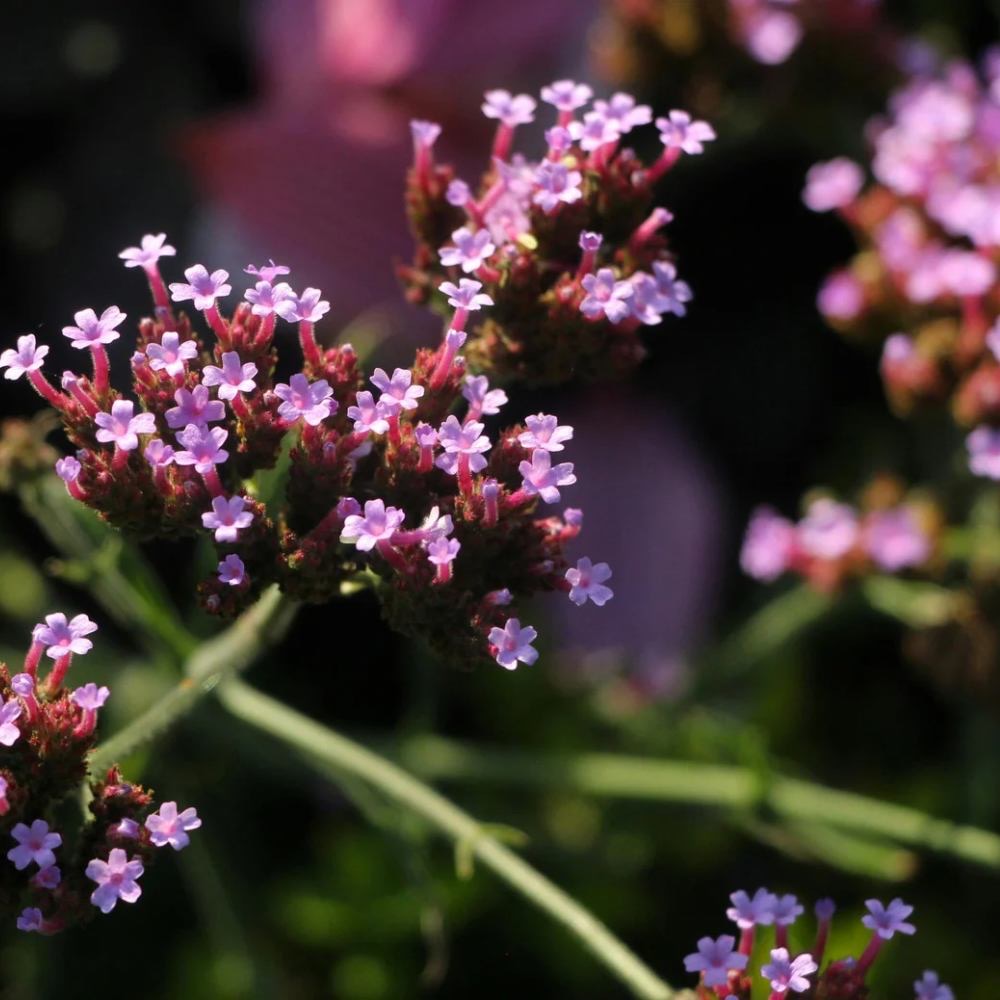
Verbena is a plant that doesn’t need much in the way of care and at the same time is very versatile. It does well in the full sun and brings some wonderful color to your garden during the growing season.
But not every plant gets along with verbena. Some plants will compete for nutrients, bring in pests that upset or do damage, or just make it more difficult for verbena to grow.
So if you’re planting verbena make sure you don’t plant it with any of the following plants. I’ll show you which ones to avoid and why they’re such bad neighbors.
Why Plant Compatibility Matters
When you’re choosing which plants to grow together in your garden getting it right or wrong can make a big difference between it working out and being a total failure. Some plants are happy to share their resources, will keep pests away and even help each other to grow.
But there are some plants that stop growth, steal nutrients and can even bring in pests that will kill other plants. That’s why knowing which plants clash can save you a lot of time and effort.
So the following are the plants to keep away from your verbena.
1. Mint
The way mint grows makes it a terrible neighbor for both verbena and most other plants.
- Grows and spreads out quickly and overtakes any space in your garden.
- Crowds out your verbena and makes it so it doesn’t get enough sunlight.
- Aggressive roots takes most of the water and nutrients in the soil.
- Releases chemicals that can really mess up verbena’s growth.
- Attracts pests like aphids and spider mites.
- Needs the soil to be moist which goes against verbena’s need for it to be drier.
- As it grows and spreads fast it makes weeding and looking after it difficult.
- Grows densely and blocks the air from flowing around plants and this makes fungus more likely to grow.
- Can cause competition for pollinators.
- Should he grown in containers because of how it spreads.
2. Tomatoes
Tomatoes need a lot of nutrients and don’t get along well with verbena.
- Require a lot of nitrogen and phosphorus, so takes it from the soil leaving little for verbena.
- Attract pests like whiteflies and aphids that can spread and hurt verbena.
- Spreads fungal diseases like powdery mildew to other plants.
- Grows tall and this can put shade on verbena and stop them growing as well.
- Prefer to be watered consistently whereas verbena like drier conditions.
- Overcrowding results in the air not circulating well.
- Tomato roots take a lot of space that the verbena will need.
- Can develop blight which may infect other plants close by.
- They need a lot of heavy mulching which verbena doesn’t like.
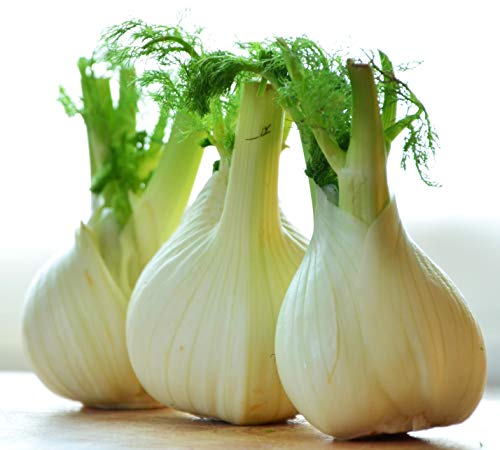
3. Fennel
Fennel has issues with most plants, verbena included, because of its allelopathic properties.
- Releases chemicals that stop any plants near to it from growing.
- Takes away insects that verbena has attracted that could help them.
- It grows big and overshadows smaller plants like verbena.
- Roots take the nutrients and water verbena needs.
- Verbena grows compactly which doesn’t go well with fennel.
- Likes cooler conditions whereas verbena likes the sun.
- Competes for pollinator activity.
- Fennel seeds can spread easily and you end up with plants you don’t want.
- Attracts pests like aphids and caterpillars.
- If you leave it then it grows very densely.
4. Zucchini
Zucchini is a heavy feeder that will compete hard against verbena.
- Needs rich, moist soil that won’t work for verbena.
- Large leaves block out the sunlight from getting to the verbena.
- Spreads diseases like powdery mildew.
- Attracts pests like squash bugs and cucumber beetles.
- Grows so fast it can overtake all the space in your garden.
- Competes against pollinators and means that they produce less fruit.
- Needs to be watered often while verbena likes some dry spells.
- Grows densely and makes it tricky for the air to flow properly.
- Crowding leads to verbena growing less flowers.
- When you harvest zucchini it ca upset any plants near by.

5. Roses
Roses may look beautiful near verbena but the conditions they create don’t work.
- Needs a lot of nutrients and leaves little for verbena.
- Attract aphids, spider mites and Japanese beetles.
- Susceptible to getting black spot and mildew which can then spread to verbena.
- Needs to be fertilized and watered often.
- Deep roots take all the nutrients from the soil.
- Dense growth blocks out the light and airflow.
- The thorns from roses can make looking after your verbena more difficult.
- Takes pollinators away from verbena.
- Needs to be pruned regularly which can upset plants close by.
6. Peppers
Peppers compete with verbena directly and make them bad companions.
- Take potassium and nitrogen out of the soil, which makes verbenas growth poorer.
- Attract pests like aphids and spider mites.
- Gets diseases like leaf spot which can then spread to verbena.
- Needs higher temperatures and humidity.
- Crowding results in the air not flowing properly.
- Growth creates a lot of shade.
- Pollinators can focus on peppers and so verbenas miss out.
- Needs watering often compared to verbena that doesn’t.
- Takes lots of nutrients from the soil.
- Pests on peppers can spread to verbena.

7. Geraniums
Geraniums look great but don’t do well when planted with verbena.
- Can release chemicals that stop verbena from growing.
- Compete for the nutrients in the soil.
- Attract pests like spider mites and whiteflies.
- Dense leaves can create a lot of share that block the sun from getting to verbena.
- Like different soil pH than verbena.
- Needs to be watered more often.
- Compete over pollinators.
- Can spreading fungal infections like leaf spot.
- As they overlap one another as they grow it can make it difficult to care for them.


8. Potatoes
Potatoes woke against verbena as they clash over nutrients and cause pest issues.
- Attract pests like potato beetles and aphids.
- Takes a lot of nitrogen and potassium from the soil.
- Prefer rich soil that won’t work for verbena.
- Can spread fungal diseases.
- When you harvest the potatoes it upsets any surrounding plants.
- Lots of leaves blocks sunlight.
- Needs to be watered often which goes against what verbena needs.
- Overcrowding stops the air from flowing.
- Roots compete too much with verbena.
- A lot of leaves reduces how many pollinators come to the garden.
9. Corn
Corn grows fall and takes a lot of the resources that verbena needs.
- Creates too much shade over the smaller plants like verbena.
- Needs a lot of feeding which takes the nutrients from the soil.
- Roots take up the space verbena need.
- Attracts pests like corn earworms and aphids.
- Tall growing stalks will block the air from flowing and this can lead to fungal diseases.
- Needs the soil to stay very moist.
- Pollinators focus on the corn and the verbena miss out.
- Can cause overcrowding.
- Needs to be fertilized often which verbena doesn’t like.
10. Dahlias
Dahlias are wonderful to look at but not a good neighbor for verbena.
- Needs a lot of nutrients that leaves little for other plants.
- Grows tall, which then overshadows the verbena.
- Attract pests like aphids and slugs.
- Dense leaves can stop air from flowing.
- Compete for the attention of pollinators.
- Prefer slightly acidic soil.
- Susceptible to fungal diseases.
- Needs to be watered often, unlike verbena.
- Roots grow and spread a lot in confined spaces.

Good Companions for Verbena
Plants like lavender, echinacea and yarrow are great companions for verbena. They love the sun and don’t mind a lack of water so they won’t take the resources from each other and have the same sort of care needs.
Tips for a Thriving Garden
- Use plants that have the same light and water needs.
- Rotate your crops wary year to stop the soil from being depleted of nutrients.
- Use companion plants to control pests naturally.
